
Approfondimento sull’Aquatilium di Salviani | An In-Depth Look at Salviani’s Aquatilium
Un capolavoro tra ittiologia, tipografia, calcografia e piacere della tavola. Il capolavoro del medico tifernate (English text below)
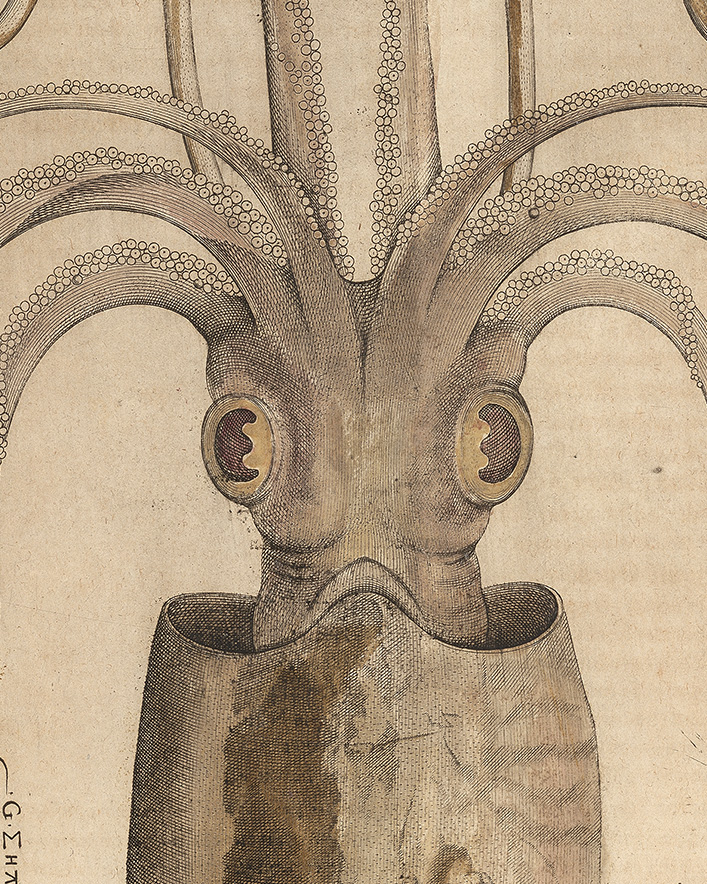
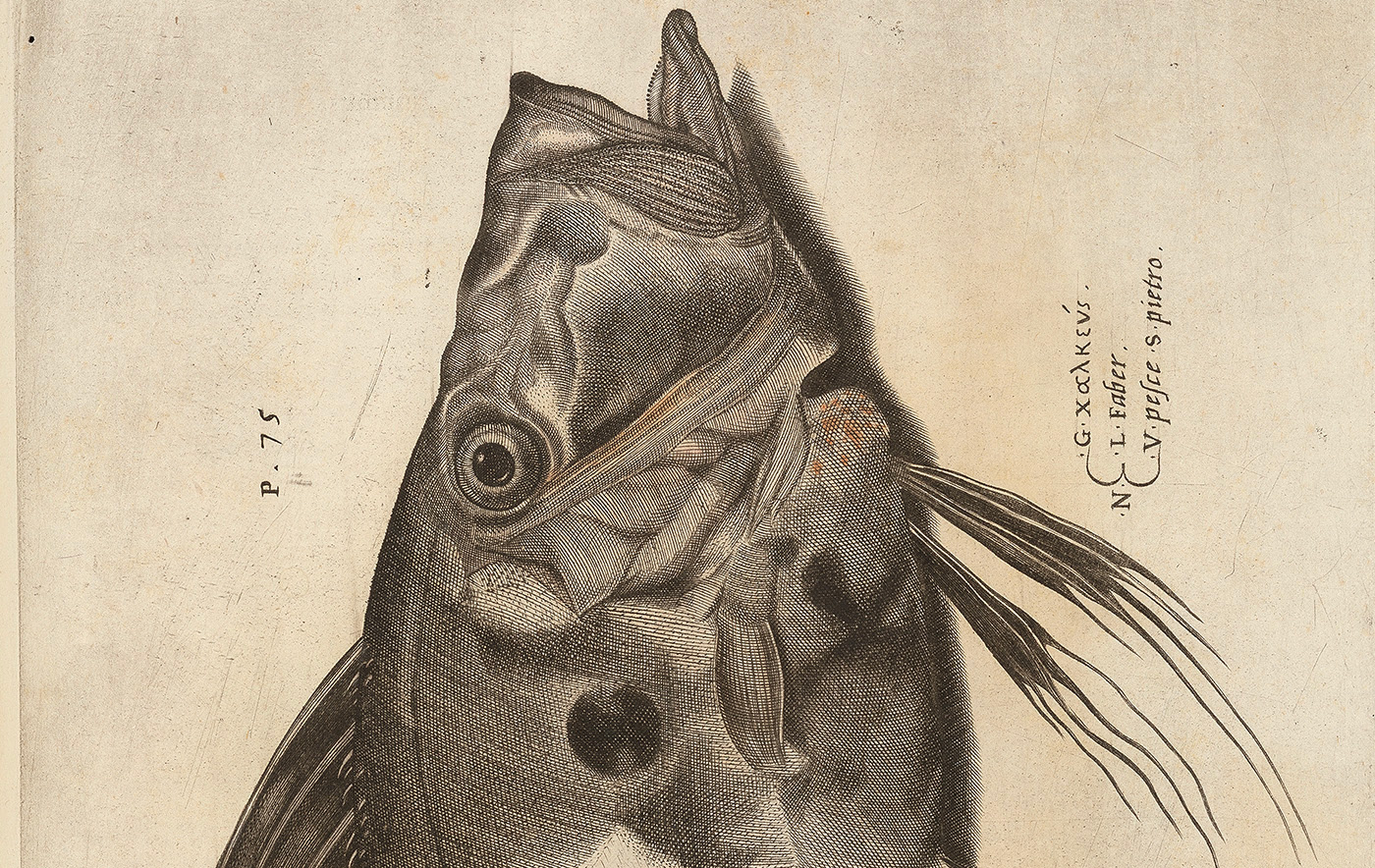
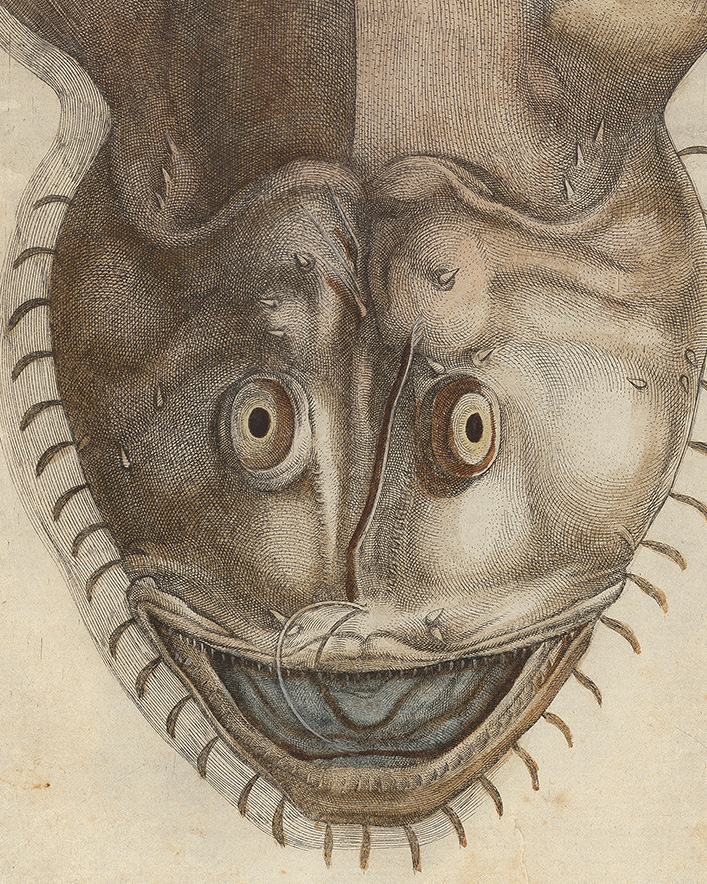
Ideato durante il lungo conclave del 1549-1550, finanziato dalla stessa Biblioteca Apostolica Vaticana e finito di stampare nel 1557 (esattamente 470 anni fa), l’Aquatilium animalium historia di Ippolito Salviani è il fulcro attorno a cui ruota l’intera mostra AQVA.
Perché è un’opera unica:
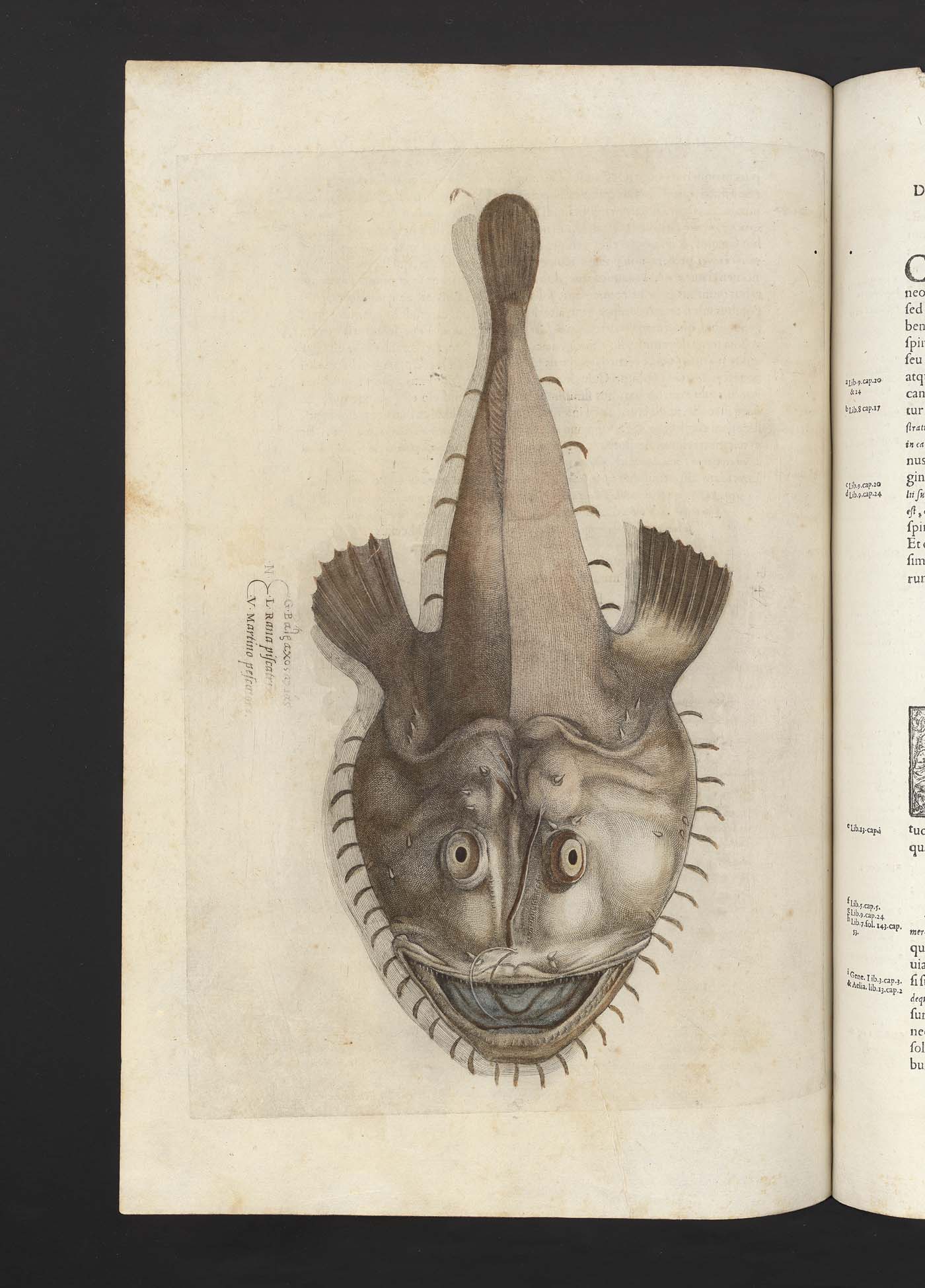
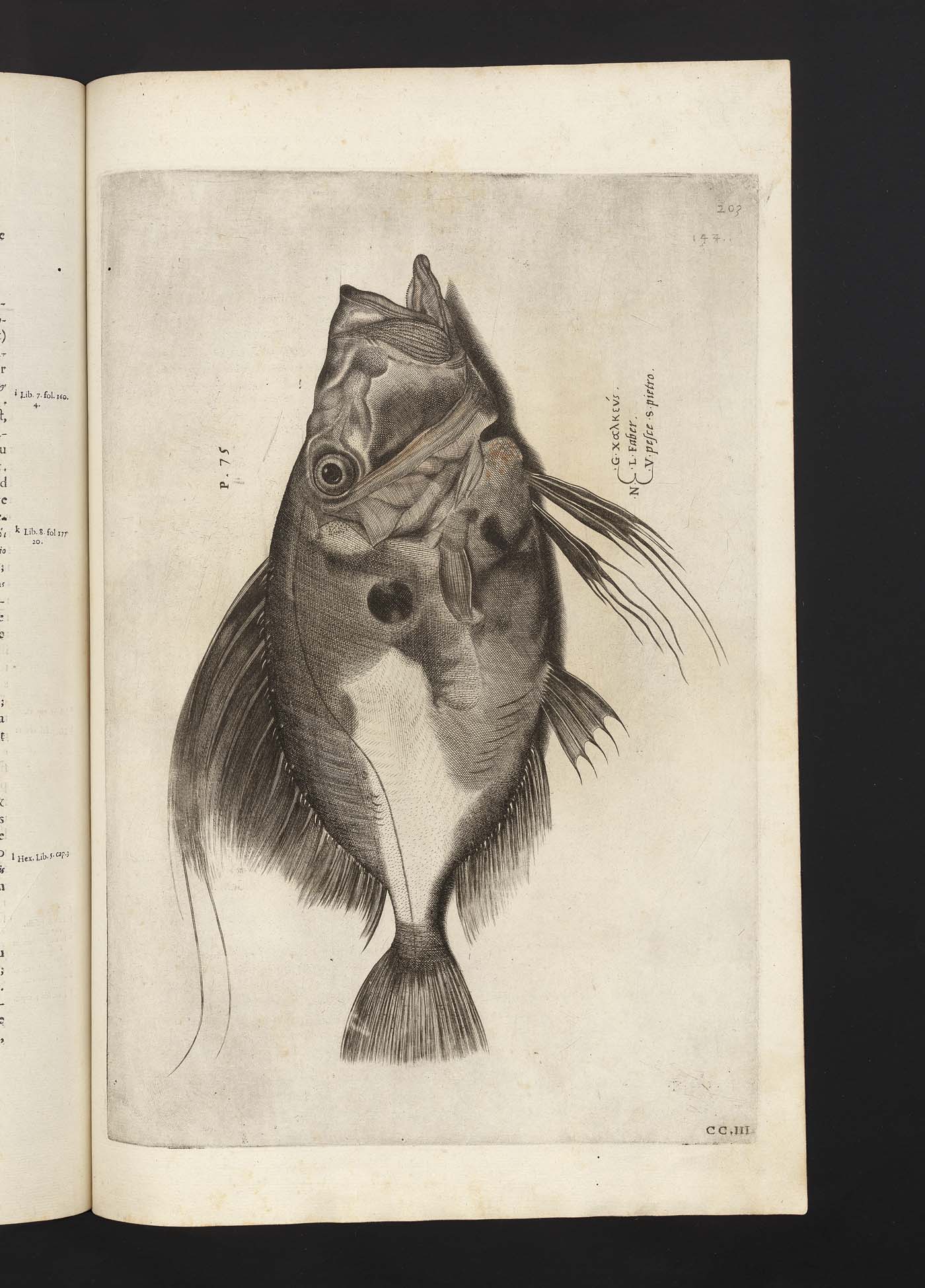
- Rivoluzione Tipografica ed Estetica: Fu uno dei primi volumi a utilizzare splendide tavole incise su rame (calcografie) per la raffigurazione dettagliata dei pesci, tanto belle da essere vendute anche separatamente come opere d’arte.
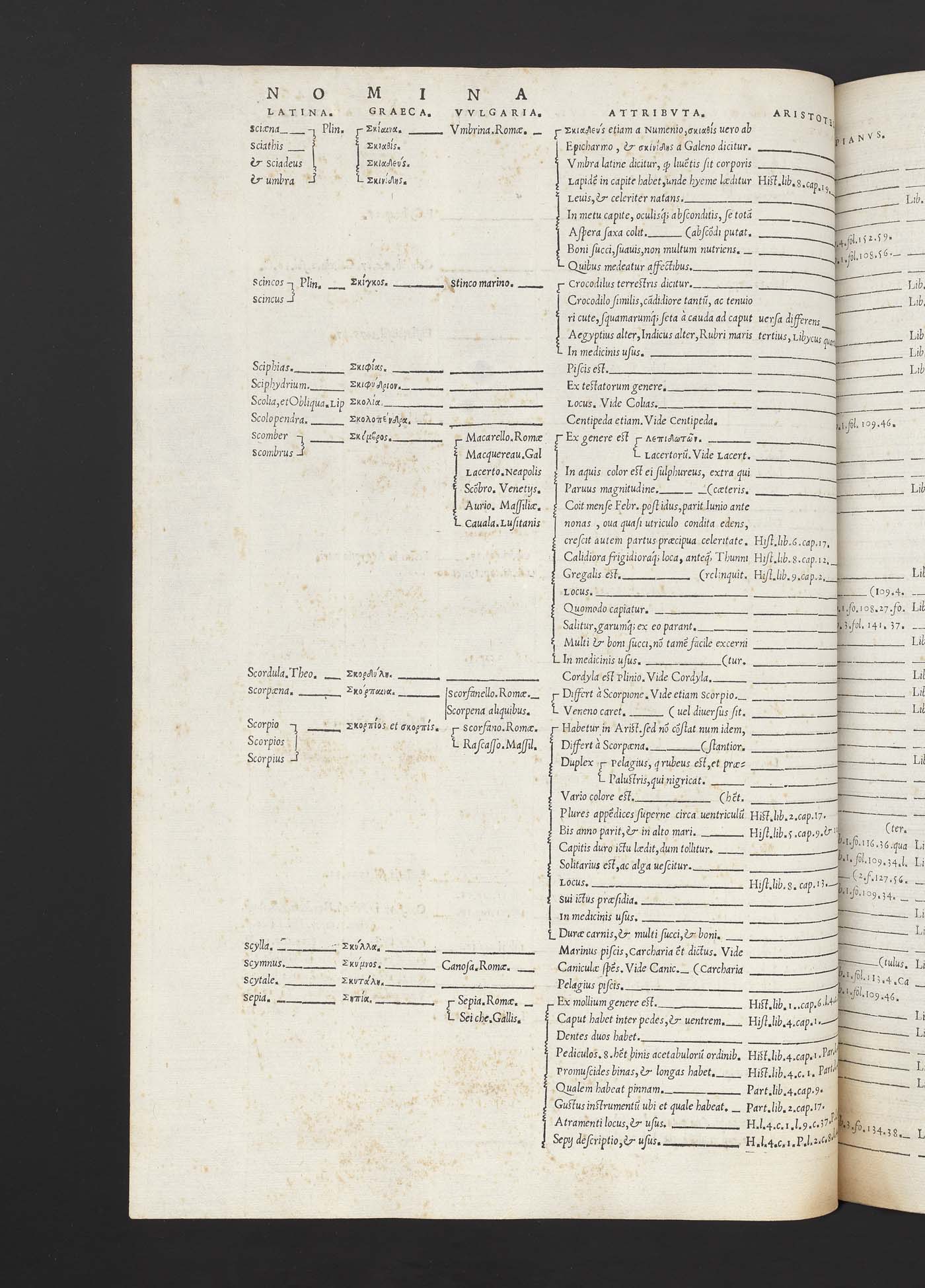
- Opera “Erudita et Faceta”: Salviani fu un uomo dal triplice ingegno: medico competente, letterato poliedrico e viveur. Il suo trattato fonde la scienza di Plinio e Galeno con informazioni pratiche, nutrizionali e gastronomiche per ciascuna specie descritta.
- In Mostra: Sarà possibile ammirare due preziosi esemplari dell’opera, di cui uno interamente acquerellato a mano, affiancato dai volumi dei suoi predecessori, come il De piscibus romanis di Paolo Giovio.
A masterpiece combining ichthyology, typography, engraving, and the pleasures of the table. The masterpiece by the physician from Tifernate
Conceived during the long conclave of 1549–1550, funded by the Vatican Apostolic Library itself, and completed in 1557 (exactly 470 years ago), Ippolito Salviani’s Aquatilium animalium historia is the centerpiece around which the entire AQVA exhibition revolves.
Why it is a unique work:
- Typographical and Aesthetic Revolution: It was one of the first volumes to use splendid copperplate engravings (chalcographs) for detailed depictions of fish—so beautiful that they were even sold separately as works of art.
- An “Erudite and Witty” Work: Salviani was a man of threefold genius: a skilled physician, a versatile man of letters, and a viveur. His treatise blends the scientific insights of Pliny and Galen with practical, nutritional, and gastronomic information for each species described.
- On Display: Visitors will be able to admire two precious copies of the work, one of which is entirely hand-painted in watercolor, alongside volumes by his predecessors, such as Paolo Giovio’s De piscibus romanis.
Media
Aqvatilium di Salviani
Aqvatilium di Salviani
Aqvatilium di Salviani